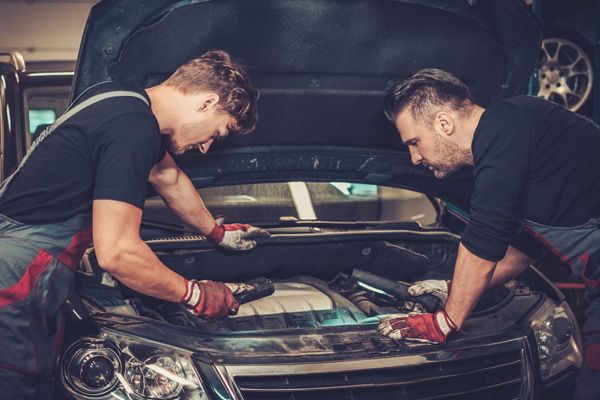
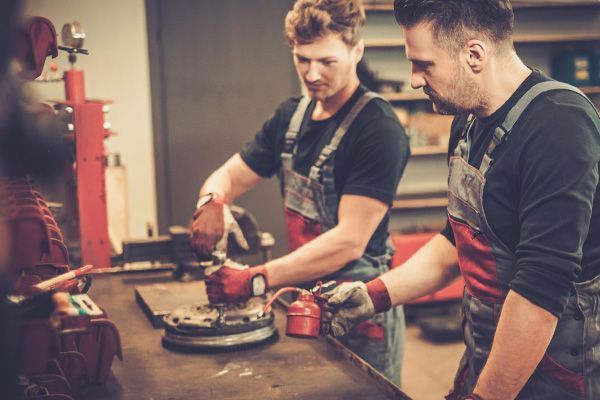
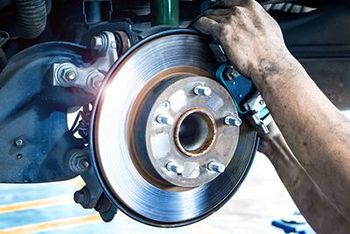
Welcome to Auto Smart in Wichita, KS, a family-owned and locally operated auto repair shop since 1999. Your vehicle is key to getting where you need to go. Our friendly and certified technicians are experts in all things auto repair, from routine maintenance to major repairs.
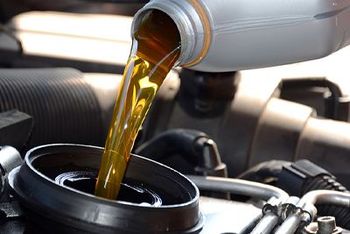
Whether you need an oil change, engine repair, or anything in between, we have the knowledge and experience to get your car back on the road quickly and efficiently. We offer a wide range of services for most makes and models, both domestic and foreign.
We prioritize transparency throughout the entire repair process. You'll receive upfront quotes before any car repair begins, and our professional and friendly team will keep you informed every step of the way. We treat you like family and your car as if it were our own. We're committed to providing quality auto repairs in Wichita using only the best parts and materials, all backed by our 5 year/50,000 miles warranty on parts and labor.
Schedule an appointment with Auto Smart, a trusted Wichita auto repair shop for decades, and let us keep your vehicle on the road for miles to come!