Tires usually wear out slowly enough that it is easy to forget about them until a problem shows up. You might notice a little more road noise, a bit of vibration, or tread that looks worn on one edge.
Regular tire rotation keeps that wear pattern under control so you get more miles out of the set and the car feels more stable in everyday driving.
Why Tire Rotation Matters More Than Most Drivers Think
Each wheel position on a vehicle does a slightly different job. The front tires usually handle more steering and braking, while many vehicles put more power through the front or rear, depending on the drivetrain. That means some tires naturally wear faster than others if they are never moved around.
Rotating the tires lets them “share the work.” Instead of one pair wearing out early, the tread wear is spread across all four. That gives you more usable life from the set and helps the car track straighter and feel more predictable if you ever have to brake hard or swerve.
Typical Tire Rotation Intervals You Can Rely On
A simple rule of thumb is to rotate your tires about as often as you change the oil. For many cars, that works out to every 5,000 to 7,500 miles. Some smaller vehicles with lighter loads can stretch a bit longer, while heavier SUVs and trucks may benefit from the shorter end of that range.
You can also think in terms of time and habits. If you do not rack up many miles, rotating the tires at least once a year keeps wear patterns from getting locked in. If you spend a lot of time on rough roads or do frequent highway trips, building tire rotation into your regular service visits helps keep tread depth more even across all four corners.
How Your Driving Habits Change Rotation Timing
Not everyone uses their vehicle the same way, and rotation intervals should reflect that. These conditions push tires harder and may justify more frequent rotations:
- Lots of stop-and-go city driving
- Regular towing or carrying heavy loads
- Long stretches of high-speed highway driving
- Roads with frequent potholes or sharp turns
- Aggressive cornering or hard braking as part of your normal commute
If any of that sounds familiar, it is reasonable to move closer to the shorter side of the recommended mileage range. That small adjustment can keep the tires from wearing unevenly, leaving one pair thin while the others still look good.
Warning Signs Your Tires Are Overdue for a Rotation
Your tires and steering wheel usually give you clues when rotation has been delayed. Watch and feel for things like:
- Tread noticeably lower on the front tires than the rear, or vice versa
- Feathering or “sawtooth” edges when you run your hand lightly across the tread
- A growing hum or droning noise that changes with road speed
- A light steering wheel vibration that shows up at certain speeds
- The car following ruts in the road more than it used to
These symptoms do not always mean the tires are ruined. In many cases, getting them rotated and checking alignment can slow further uneven wear and smooth out the ride.
Common Mistakes Drivers Make With Tire Rotations
Some drivers rotate tires only when they buy a new set, then forget about them entirely. Others skip rotation because the tread “still looks fine,” not realizing that uneven patterns start long before the wear bars show. Another common issue is rotating tires on a vehicle that already has a serious alignment problem, which simply moves the abnormal wear around instead of fixing the cause.
Mixing very old and very new tires without a plan can also cause odd behavior, especially on all-wheel-drive vehicles. Keeping rotation on a schedule helps avoid big mismatches in tread depth so you can replace sets together instead of one pair at a time.
What Happens During a Professional Tire Rotation
A proper tire rotation is more than just swapping front and rear. The pattern usually depends on whether your tires are directional, staggered, or a square setup where all four are the same size. A technician chooses a pattern that keeps the tire’s rotation direction correct and follows any manufacturer guidelines for your specific vehicle.
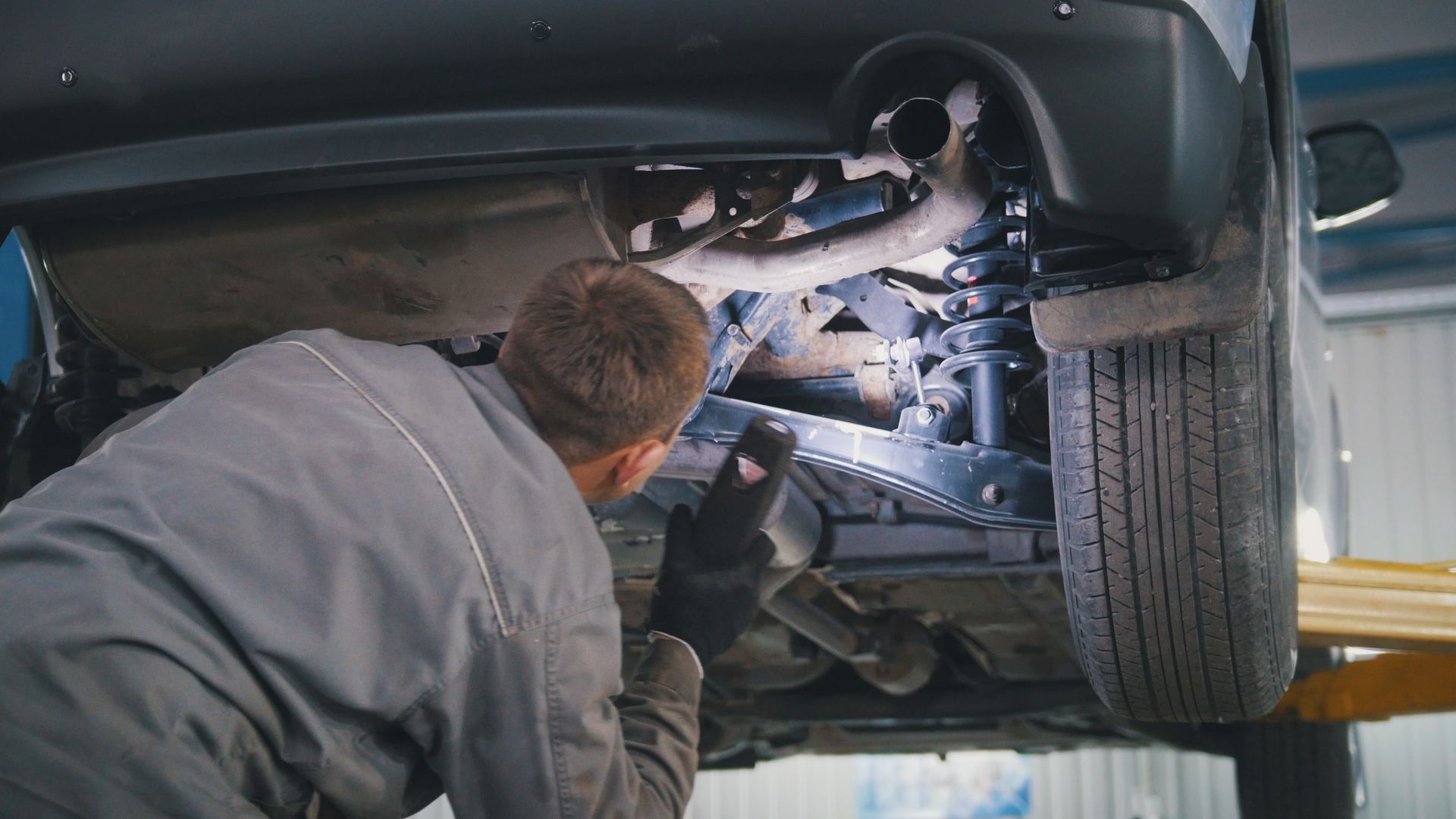
While the tires are off, it is a good time to inspect tread depth, check for nails or sidewall damage, and look over the brakes and suspension you normally cannot see. Lug nuts are torqued to the correct specification, and tire pressures are adjusted to match the placard in the door jamb. The result is a set of tires that are better balanced in wear and ready for more miles.
Get Tire Rotation Service in Wichita, KS with Auto Smart
If you are not sure when your tires were last rotated, getting them checked now can add life to the set and improve how your car feels on the road. We can inspect tread wear, set the correct rotation pattern, and make sure pressures are dialed in for your vehicle.
Schedule tire rotation service with
Auto Smart in Wichita, KS, and keep your tires wearing evenly all year round.